You’re not alone, and you’re not out of options
If you’re reading this, something in your body is telling you something is wrong. Maybe it’s a pain that won’t go away. Maybe it’s a cough, a lump, a feeling you can’t shake. And on top of that, you don’t have health insurance.
It’s easy to feel stuck. But the truth is that millions of people in the United States get good medical care every year without insurance. You can too. There are real options that don’t require a credit card with a high limit or a phone call to beg a hospital for mercy.
This guide walks through those options in plain language, so you know where to go first, what to expect, and what to bring.
Option 1: A Community Health Center (the best place to start for most people)
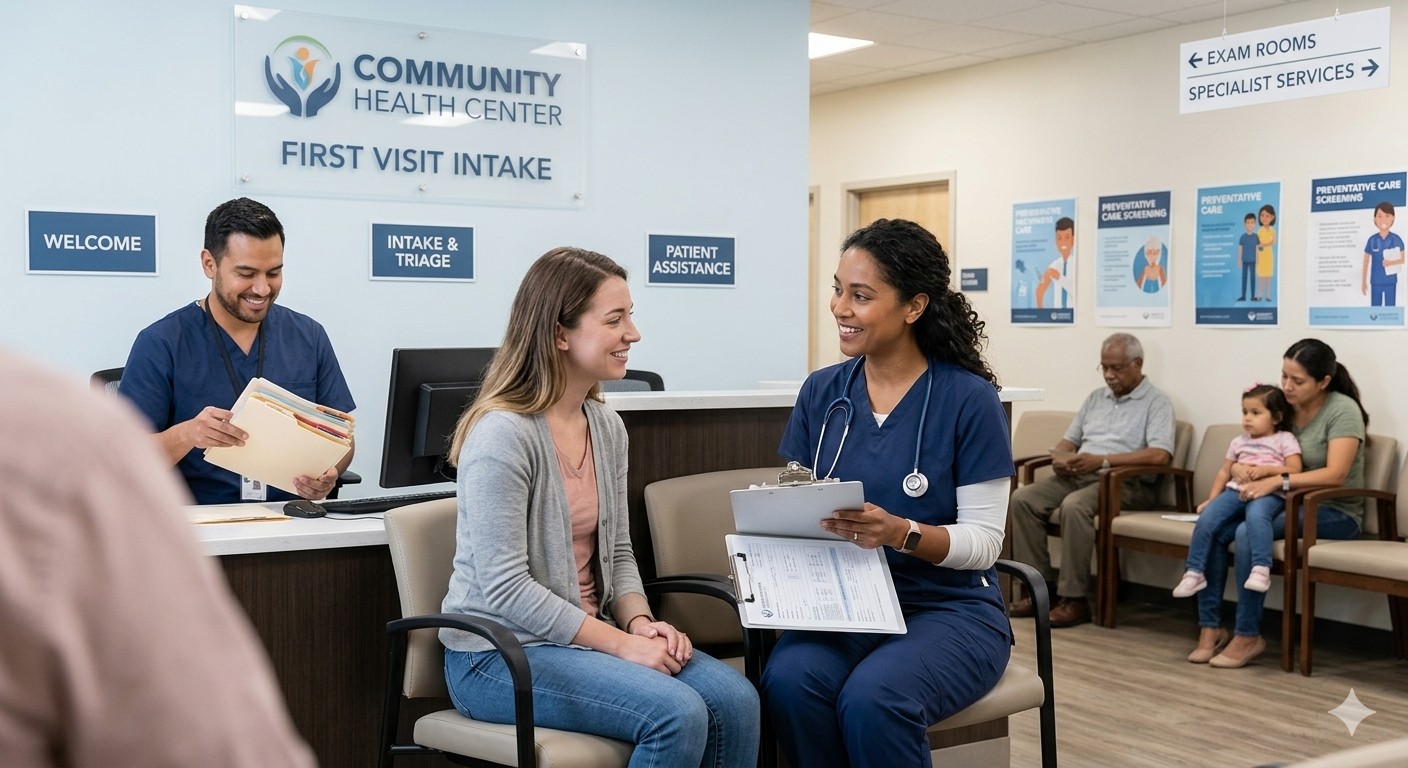
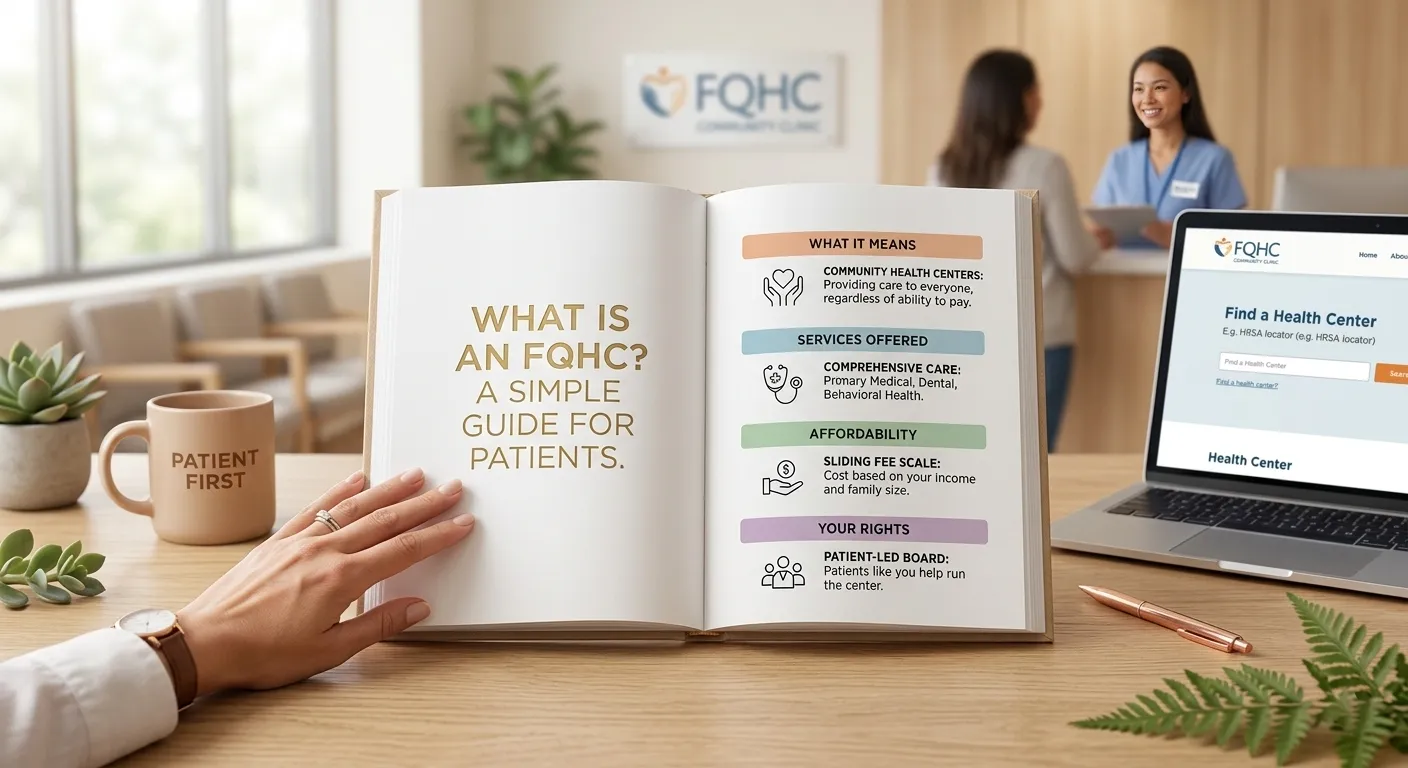
Community Health Centers are clinics that offer full medical care, no matter what you can pay. They are sometimes called Federally Qualified Health Centers, or FQHCs. They serve everyone, including people without insurance, people without documents, and people who just lost their job and their coverage.
Here’s what makes them different from a regular doctor’s office:
They use a sliding scale fee, which means the bill is based on what you earn. Some people pay $20 to $40 for a visit. Others pay less.
- They cannot turn you away because you can’t pay.
- They offer primary care, dental care, behavioral health, and women’s health in many cases, all under one roof.
- They will help you apply for Medicaid or other programs if you qualify.
To find one near you, search the federal government’s locator tool at findahealthcenter.hrsa.gov. Enter your ZIP code and you’ll see a list of centers within driving distance.
Option 2: A Free Clinic
Free clinics are run by charities, faith groups, and volunteer doctors. They are different from Community Health Centers because many of them are funded by donations and staffed by volunteers. They often have limited hours and longer waits, but the care is free or very low cost.
The National Association of Free and Charitable Clinics keeps a directory at nafcclinics.org. Some free clinics specialize in specific conditions, like diabetes or women’s health, so it’s worth checking what’s available before you go.
Option 3: Urgent Care (with caution)
Urgent care centers can treat you without insurance, but they will ask for payment at the time of the visit. A visit without insurance usually costs between $100 and $250 for a basic problem, plus extra for tests, x-rays, or stitches.
Urgent care makes sense when you have something that can’t wait but isn’t life-threatening, like a minor cut, a urinary tract infection, or a bad earache. Always call first and ask about their self-pay rate. Many urgent care centers will give you a lower cash price if you ask.
Option 4: The Emergency Room (for emergencies only)
An emergency room must treat you under federal law, no matter what you can pay. This is called EMTALA. The hospital cannot turn you away in an emergency because you don’t have insurance.
But the ER should be your last choice for non-emergencies. A visit can cost thousands of dollars, and the bill will come later. If your problem is not life-threatening, a Community Health Center or urgent care will take better care of you for a fraction of the cost.
Go to the ER for:
- Chest pain, trouble breathing, or signs of a stroke (sudden weakness, slurred speech, facial drooping)
- Serious injuries, heavy bleeding, or broken bones
- Severe allergic reactions
- Thoughts of harming yourself or someone else
A hospital cannot refuse emergency care
Under federal law, emergency rooms must stabilize anyone with an emergency, regardless of ability to pay or immigration status. If a hospital refuses, that is a violation. You can report it to the Department of Health and Human Services.
Option 5: Telehealth and Virtual Care
Some Community Health Centers offer video or phone visits. This can save you a trip, and it’s often cheaper. Call the center you’re considering and ask if they offer telehealth, and whether it qualifies for the sliding scale fee.
There are also virtual-only services like Sesame, PlushCare, and Teladoc that offer one-time visits for a flat fee, usually $30 to $70. These are useful for prescription refills, simple infections, or mental health check-ins.
What to bring to your first visit
You don’t need insurance, but bringing these documents will help you get the sliding scale price and avoid delays:
- A photo ID if you have one (not required everywhere, but helpful)
- Proof of your income from the last month (pay stubs, a letter from your employer, a tax return, or a bank statement)
- Proof of your address (a utility bill, a piece of mail, or a lease)
- A list of any medications you take, even over-the-counter ones
- Notes on your symptoms, when they started, and what makes them better or worse
If you don’t have some of these documents, go anyway. Most Community Health Centers will work with you and help you gather what you need.
What if I’m undocumented?
Community Health Centers serve everyone, regardless of immigration status. They do not ask about your status, and they do not share information with immigration authorities. Your medical records are protected by a federal law called HIPAA, which keeps them private.
If you’re worried, you can call the center first and ask about their privacy policy. You can also ask to speak with a patient navigator or community health worker who speaks your language.
What if I can’t afford even the sliding scale fee?
Talk to the front desk or a patient navigator at the center. Almost every Community Health Center has a hardship policy. Some will see you for free if you have no income. Some will set up a payment plan. No one who truly cannot pay is turned away.
Take the first step
If something is wrong with your body, waiting rarely makes it cheaper or easier. The earlier you see someone, the more options you have. Find a Community Health Center near you, call them, and make an appointment. You don’t need to explain yourself. You don’t need to apologize for not having insurance. You just need to show up.