The short version
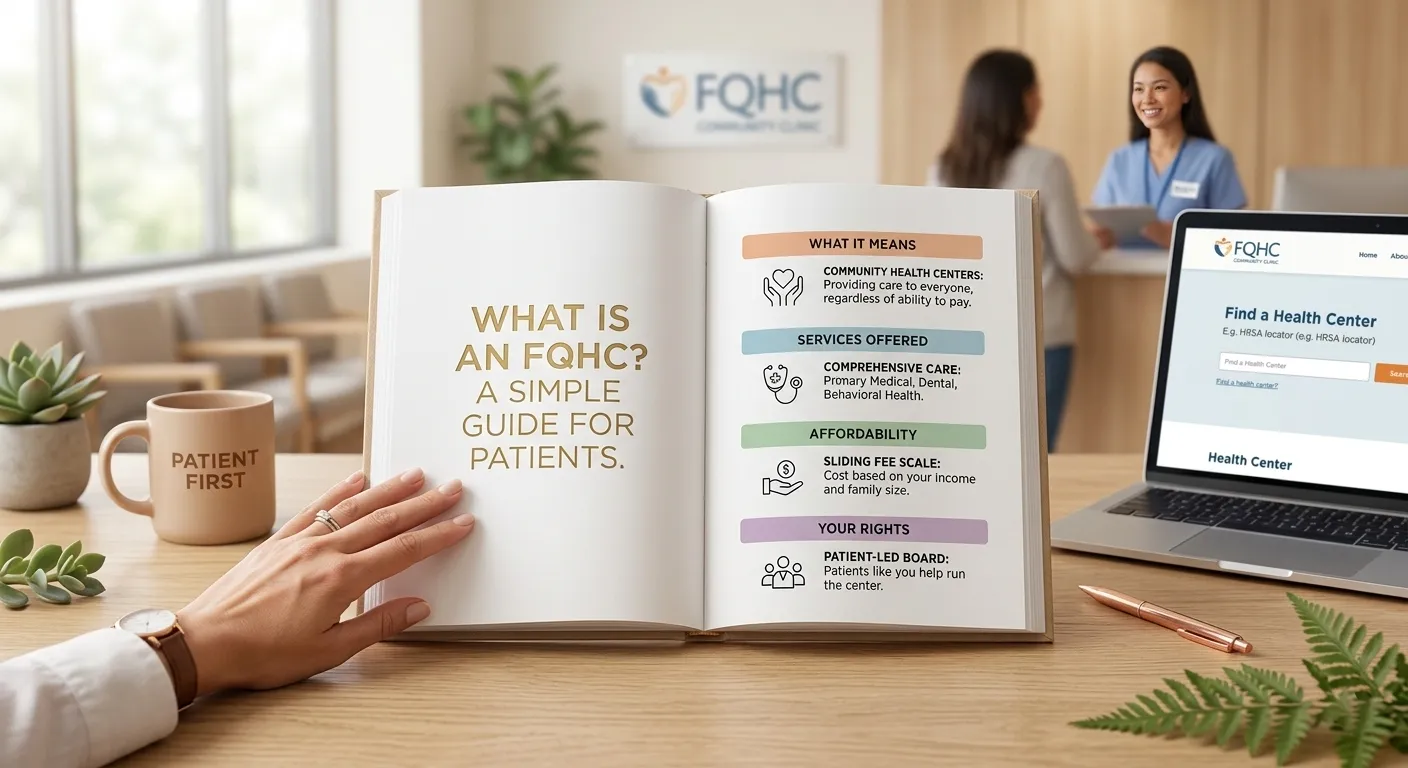
FQHC stands for Federally Qualified Health Center. It’s a long name for something simple: a community clinic that gives good medical care to everyone, no matter how much money they make or whether they have insurance.
If you’ve ever heard someone talk about a ‘community health center,’ they’re usually talking about an FQHC. There are about 1,400 of these organizations across the United States, with more than 15,000 locations. They serve more than 30 million patients every year, in every state and territory.
Who can go to an FQHC?
Anyone. That’s the short answer, and it’s the honest one. FQHCs are required by federal law to serve everyone who walks through the door. That includes:
- People without health insurance
- People on Medicaid, Medicare, or CHIP
- People with private insurance
- People experiencing homelessness
- People who don’t have documents
- Migrant and seasonal workers
- Veterans who don’t qualify for VA benefits
- Children, adults, and seniors
Your income, job, address, immigration status, or language does not disqualify you. FQHCs exist specifically to care for people who are often left out of the regular health care system.
What does an FQHC actually offer?
A full FQHC offers a wide range of services under one roof. This is one of the biggest advantages of going to one. Instead of driving across town to see a dentist, a therapist, and a primary care doctor, you can often do all three at the same place.
Most FQHCs offer:
- Primary care for adults, children, and seniors
- Dental care, including cleanings, fillings, and emergency dental work
- Behavioral health care, including counseling and psychiatry
- Women’s health, including prenatal care, birth control, and cancer screenings
- Help with chronic conditions like diabetes, high blood pressure, and asthma
Vaccines for children and adults
Lab work and basic imaging
Prescription help and connection to low-cost medications
Help signing up for Medicaid, CHIP, or marketplace insurance
Some larger FQHCs also offer vision care, substance use treatment, pharmacy services, and help with food, housing, and transportation.
How does the sliding scale work?
The sliding scale is the fee structure that makes FQHCs affordable. Instead of charging everyone the same price, they charge based on what you can pay. Your fee is based on two things: your household income and the number of people in your family.
Here’s how it usually works. If your income is at or below the federal poverty level, your visit fee is usually a small flat amount, often between $10 and $40. If you earn more, your fee increases along a scale up to the full cost of the visit. If your income is above about twice the federal poverty level, you typically pay the regular rate.
The exact numbers are set by each FQHC, but the rules follow the same federal standards everywhere.
Do I have to prove my income?
Usually, yes. To get the sliding scale discount, you’ll need to show proof of income. Common documents include:
- A recent pay stub
- A W-2 or tax return
- A bank statement
- A letter from an employer
- A statement of benefits if you get SSI, SSDI, or unemployment
If you have no income, a written statement saying so is usually enough. Ask the front desk when you make the appointment, and they’ll tell you exactly what to bring.
How is the quality of care?
This is the question many people ask quietly. The answer is that FQHCs are held to the same federal quality standards as any hospital or private practice. They’re reviewed regularly by the Health Resources and Services Administration (HRSA), which is the federal agency that oversees them.
Many FQHCs are accredited by the Joint Commission, the same group that accredits major hospitals. The providers are licensed doctors, nurse practitioners, physician assistants, dentists, and therapists. Many are teaching sites for medical schools and residency programs.
In other words: the care is real care. The sliding scale is about price, not quality.
How do I find an FQHC near me?
The simplest way is to visit the federal health center locator at findahealthcenter.hrsa.gov. Enter your ZIP code, and you’ll see a list of FQHCs in your area, their addresses, phone numbers, and the services they offer.
You can also call 211, a free information line available in most of the country, and ask about community health centers near you.
What to do next
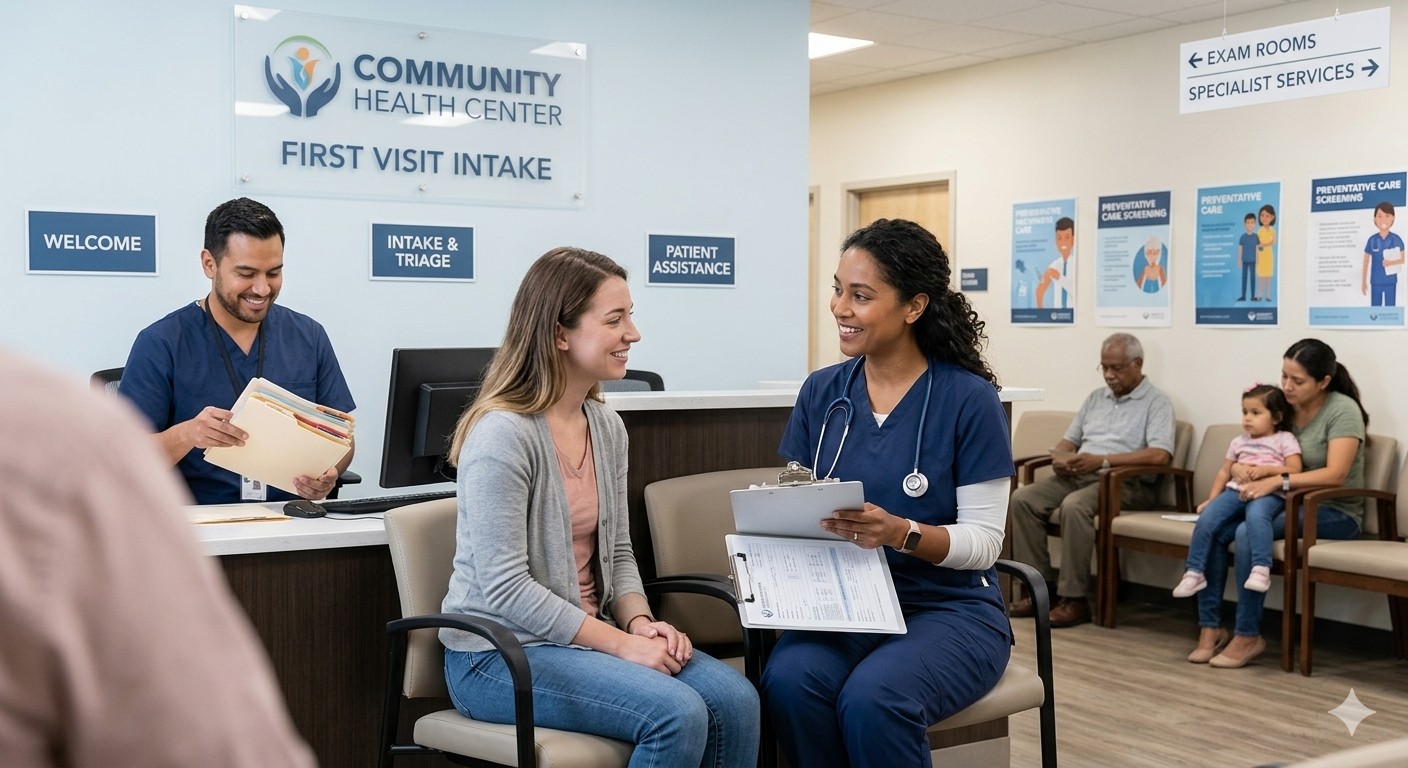
If you’ve been putting off a doctor’s visit because of cost, an FQHC is almost certainly a better answer than waiting. Find the nearest one, call them, and ask two questions: ‘Are you accepting new patients?’ and ‘What do I need to bring for my first visit?’ From there, the front desk will walk you through everything.